Compare Local Contractors for Pressure Washing Services
Compare local pressure washing contractors to define project scope, verify experience, and set clear expectations for a successful property cleaning.
Pressure washing services typically cover the cleaning of exterior surfaces such as building facades, driveways, sidewalks, decks, fences, and other outdoor structures. These services often involve removing dirt, grime, mold, algae, and other buildup that can accumulate over time, helping to restore the appearance and integrity of a property’s exterior. When engaging with contractors for pressure washing, it’s important to clarify exactly which surfaces need cleaning and what methods are appropriate to avoid damage, ensuring the scope of work aligns with the property’s specific needs.
Defining the scope of pressure washing work is crucial because it helps set clear expectations and prevents misunderstandings. A detailed scope should specify the areas to be cleaned, the type of cleaning methods to be used, and any particular concerns or restrictions. This clarity allows property owners to compare different service providers effectively, ensuring they evaluate contractors based on the services they offer and their approach to the work. Having a written outline of the scope also provides a reference point for any future discussions or adjustments, fostering transparency and accountability.
When comparing local contractors for pressure washing, property owners should consider factors such as experience with similar projects, the range of services offered, and how thoroughly they define their scope of work. It’s helpful to review each contractor’s process for assessing the property and establishing expectations in writing. Asking questions about their experience with the specific surfaces involved and requesting detailed descriptions of their methods can aid in making an informed decision. By focusing on these practical aspects, property owners can better evaluate which service providers are well-suited to meet their needs and ensure the work is completed to their expectations.
Compare local contractors by outlining your project priorities, verifying experience, and setting clear expectations in writing.
- Compare Contractor Experience - Review the backgrounds and work history of local contractors to ensure they have relevant pressure washing expertise.
- Define Scope Clearly - Clearly outline the areas and surfaces to be cleaned to help contractors understand the project requirements.
- Verify Service Offerings - Confirm that local service providers offer the specific pressure washing services needed for the job.
- Document Expectations in Writing - Ensure all scope details and project expectations are agreed upon and documented before work begins.
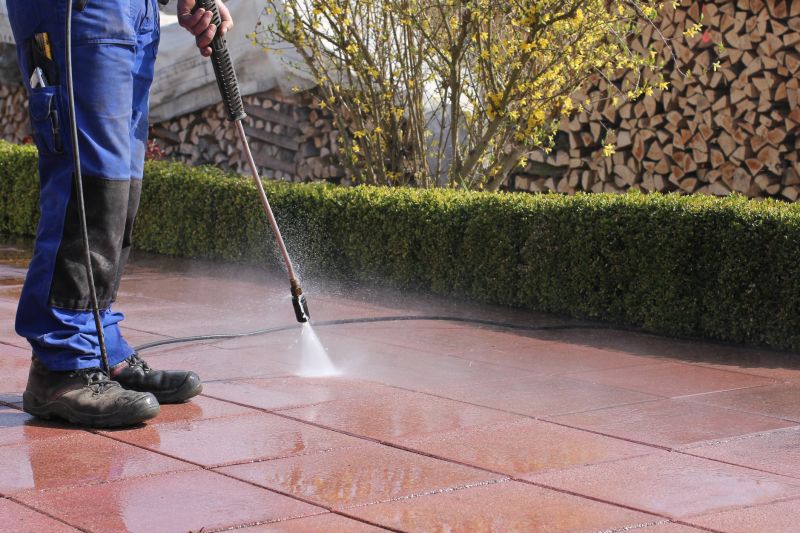
Clearly describe your pressure washing project to help local contractors understand your needs and compare options effectively.
- Verify experience and references for pressure washing projects similar to the scope of work. Ensure contractors clearly define the areas to be cleaned and the methods to be used.
- Confirm that service providers specify the type of equipment and cleaning solutions they plan to use. Clarify the scope of work in writing to set proper expectations.
- Check that local contractors provide detailed estimates outlining the work involved. Look for transparency in the scope of services offered.
- Assess whether contractors have appropriate insurance to cover potential property damage or accidents. Ensure coverage is in place before work begins.
- Review the contractor’s process for protecting surrounding landscaping and surfaces during pressure washing. Discuss any necessary prep work or precautions in advance.
- Compare how different service providers handle cleanup and disposal of debris after the job is completed. Make sure expectations are clear regarding post-service site condition.
Compare local contractors, clarify project scope, verify experience, and set clear expectations in writing.
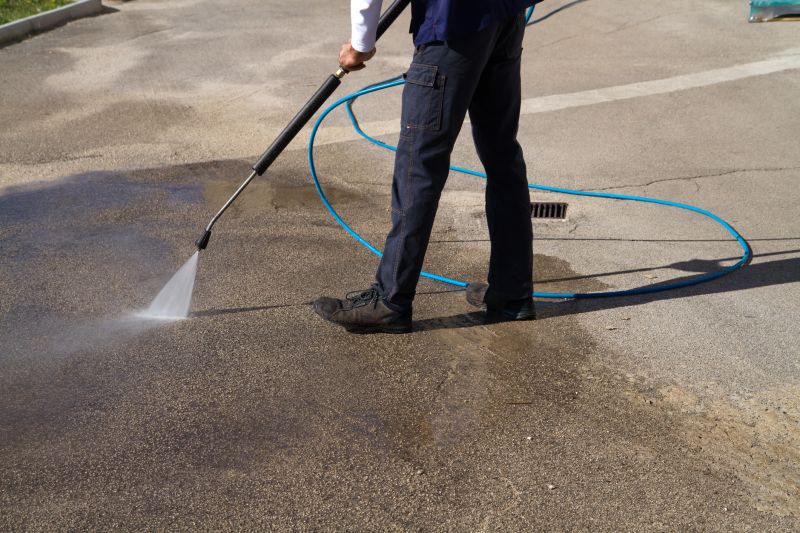
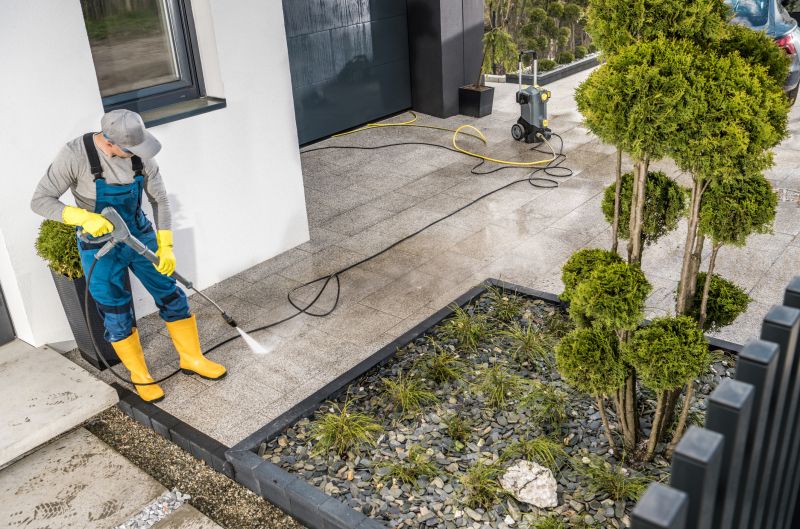
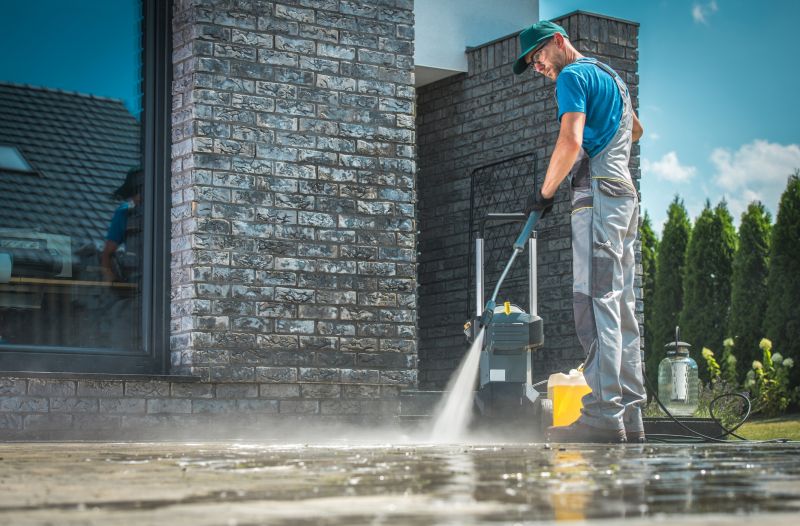

Use consistent criteria to compare local contractors’ scope, experience, and written expectations for pressure washing.
- Define the scope of pressure washing services needed to ensure clarity on the surfaces and areas to be cleaned.
- Verify the experience and background of local contractors to assess their familiarity with pressure washing techniques and surfaces.
- Establish detailed project expectations in writing to outline the work scope, methods, and any specific requirements.
- Compare multiple service providers based on their expertise, reputation, and service offerings to identify suitable options.
- Ensure clear communication about the work process and any preparatory or post-cleaning considerations to align expectations.
When comparing pressure washing contractors, it’s important to consider their experience with similar projects. Homeowners should inquire about the types of properties or surfaces they have worked on previously, ensuring that the service providers are familiar with the specific needs of residential exteriors, driveways, decks, or other surfaces requiring cleaning. An experienced contractor will understand the nuances of different materials and can help prevent damage while achieving effective results. This background helps ensure that the selected service provider has a proven track record of handling projects comparable to the homeowner’s needs.
A clear, written scope of work is essential when evaluating pressure washing contractors. Homeowners should seek detailed descriptions of what the job includes, such as the areas to be cleaned, the methods to be used, and any surface preparation or post-cleaning steps. A well-defined scope helps prevent misunderstandings and ensures that both parties have aligned expectations. It’s advisable to request a written outline of the work to be performed, which can serve as a reference throughout the project and provide clarity on the services being offered.
Verification of a contractor’s basic credentials involves checking references, reviews, or portfolios of completed work. Homeowners can ask for examples of past projects or contact previous clients to gather insights into the contractor’s professionalism and quality of work. Online reviews and ratings from other homeowners can also provide valuable perspective. While formal licensing or certification may not be a requirement, verifying that the service provider has a reputation for reliable and thorough work can help in making an informed decision.
Evaluating options without focusing on prices involves assessing the quality of the contractor’s experience, scope of work, and communication clarity. Homeowners should compare how well each service provider understands their project needs, the level of detail in their proposals, and their ability to provide comprehensive explanations of their process. Choosing a contractor based on these factors helps ensure that the project will be handled competently and transparently. By focusing on experience, scope, and verification, homeowners can select a service provider that aligns with their expectations and project requirements.
Request written scope and details from local contractors to ensure clear expectations and consistent service.
- Experience and References - What experience do local contractors have with pressure washing similar surfaces?
- Scope of Work - How will the service provider define and document the specific tasks included in the pressure washing job?
- Equipment and Techniques - What equipment and cleaning methods do local contractors plan to use for your project?
- Insurance and Liability - Do the service providers carry insurance to cover potential damages or accidents during pressure washing?
- Communication and Expectations - How will the scope and process be clarified and confirmed in writing before work begins?
What should I consider when choosing a pressure washing contractor? It’s important to compare local contractors based on their experience, reputation, and the scope of services they offer. Verifying references and reviewing their work history can help ensure they meet your project needs.
How can I define the scope of my pressure washing project? Clearly outline the areas to be cleaned, the type of surfaces involved, and any specific cleaning methods or finishes desired. Communicating these details in writing helps set clear expectations.
What questions should I ask a pressure washing contractor before hiring? Inquire about their experience with similar projects, the cleaning techniques they use, and how they handle surface preparation and protection. This helps assess their capability and approach.
Why is it important to have the project scope and expectations in writing? Having a written agreement ensures that both parties understand the work to be performed, the methods used, and the expected outcomes, reducing misunderstandings.
How can I verify the experience of a pressure washing service provider? Request references or examples of previous work, and ask how long they have been performing pressure washing services in your area. This can provide insight into their expertise.
What are some tips for comparing different pressure washing contractors? Look for consistency in communication, detailed scope proposals, and clear descriptions of their process. Comparing these aspects helps identify the most suitable service provider for your needs.
This page has highlighted the importance of clearly defining the scope of a pressure washing project, verifying the experience of service providers, and setting expectations in writing to ensure a smooth process. By comparing local contractors, visitors can gather information to make informed decisions that align with their specific needs. Using the quote form to connect with nearby service providers offers an effective way to explore options and find the right match for the job.
Taking the time to evaluate and compare different contractors helps clarify what to expect and ensures that the chosen service providers are well-suited to handle the pressure washing project. Utilizing the quote form to reach out to local professionals allows for straightforward comparison and helps identify the best fit for the work at hand.